Hearts with Vines Hand Drawn: A Designer's Review
As someone who spends more time staring at stitch maps than most people care to admit, I approach every new machine embroidery design with a mix of curiosity and skepticism. We have all been there: you download a beautiful digital embroidery file, load it onto your machine, and halfway through the run, you realize the density is too high for that lightweight linen or the details are so fine they will vanish into the fabric texture. That is why I took a close look at Hearts with Vines Hand Drawn before committing it to a client project. This isn't just a quick glance at a thumbnail; this is an evaluation of how this specific graphic holds up when thread meets cloth in the real world.
The First Impression: Organic Flow and Versatility
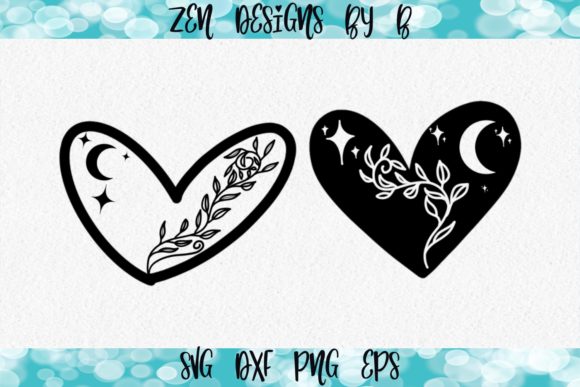
When I first opened the files for Hearts with Vines Hand Drawn, the immediate takeaway was the "hand-drawn" aesthetic. In a market saturated with perfect, geometric vectors, there is a distinct warmth to lines that mimic the slight imperfections of a sketch. The design falls under the category of Illustrations and Graphics, but for us embroiderers, the question is always: how does this translate to thread? The layout features a central heart motif intertwined with flowing vines, creating a sense of movement that feels very natural. It avoids the rigid symmetry that can sometimes make embroidery look stiff or dated. Instead, it offers an organic mood that fits perfectly with current trends in boho-chic and rustic home decor.
The visual personality of this design suggests versatility. It is not overly dense, which is a huge plus. Heavy fill stitches can turn a soft garment into a cardboard shield, but the open nature of these vines suggests a lighter touch. This makes it an excellent candidate for a variety of substrates where breathability and drape matter.
Real-World Application: The Tote Bag Test
To truly gauge the potential of Hearts with Vines Hand Drawn, I envisioned a specific real-life scenario: a custom order for a local boutique needing a run of eco-friendly tote bags. These bags are often made from canvas or heavy cotton, which can be tricky. If a design is too sparse, it looks lost; if it is too dense, the bag becomes unwieldy.
In this context, this design shines. The vine elements provide enough coverage to look substantial without requiring a solid block of fill stitch that would distort the fabric. Imagine this stitched in a deep forest green or a muted terracotta thread on a natural beige canvas. The contrast would be striking yet understated. For an Etsy seller or small shop product line, this kind of subtlety often sells better than loud, flashy graphics because it appeals to a broader demographic looking for everyday usability.
Beyond tote bags, I can see this working beautifully as sweatshirt embroidery. The curved lines of the vines would follow the natural drape of a fleece hoodie without causing puckering, provided the stabilizer is chosen correctly. It also has strong potential as a personalized gift for weddings or anniversaries. The heart theme is obvious, but the artistic execution elevates it beyond a generic Valentine's clipart feel, making it suitable for a sophisticated finished product.
Navigating Fabric Textures and Challenges
However, no design is without its challenges, and a responsible designer must anticipate where things might go wrong. While Hearts with Vines Hand Drawn is forgiving, it requires careful consideration regarding fabric choice. If you are planning to use this on a textured fabric like a waffle knit or a heavy wool blend, the finer details of the hand-drawn lines might get lost. The "sketchy" quality relies on clear definition; if the fabric tooth is too aggressive, those delicate vine tips could disappear.
Similarly, stretchy fabrics demand respect. While the design isn't overly large, placing it on a high-stretch jersey for custom apparel requires a robust cut-away stabilizer. Even though the stitch count doesn't appear excessive, any tension during wear could distort the heart shape if the backing isn't sufficient. I would also advise caution with dark fabrics. Since this is likely intended to be stitched in lighter or contrasting colors, you must ensure your thread choices have enough opacity to cover the background fabric completely, especially in the thinner running stitch areas of the vines.
Commercial Viability and Brand Consistency
For those running a craft business, consistency is key. One of the strengths of Hearts with Vines Hand Drawn is its ability to maintain brand identity across different products. Whether you are applying it to a pillow cover, a kitchen towel, or an embroidered patch, the style remains recognizable. This helps in building a cohesive collection for your online store or craft fair booth.
The design also translates well to printable mockups. Because the lines are clean and the concept is clear, you can create compelling marketing images for your Etsy listings even before you stitch the first sample. This saves time and allows you to test market reaction. However, remember that what looks good on a screen doesn't always stitch out perfectly. Always verify the stitch density in your software before promising a delivery date to a client.
Essential Designer Notes for Execution
Before you dive into production with Hearts with Vines Hand Drawn, here are a few practical steps I recommend based on my experience:
- Test on Scrap Fabric: Never skip this step. Stitch the design on the exact same material and weight you intend to use for the final product. Check how the threads interact with the weave.
- Check Thread Contrast: Play with your thread chart. Sometimes a monochromatic look (same color family, slightly different shades) works better for hand-drawn styles than high-contrast black and white.
- Review Hoop Size: Ensure your hoop is large enough to capture the full spread of the vines without needing to re-hoop, which can lead to alignment issues.
- Inspect Small Details: Zoom in on the digital file. Look for tiny jumps or extremely short stitches that might cause bird-nesting. If you see them, edit them out before stitching.
- Confirm Licensing: The product description notes formats like SVG, PNG, EPS, and DXF, which suggests it works with cutting machines as well. However, always double-check the specific license terms regarding commercial embroidery projects. Just because you can buy the file doesn't automatically mean you can sell unlimited finished goods without restrictions.
It is also worth noting that while the file formats listed include vector types like EPS and SVG, embroidery machines typically require specific stitch files (like PES, DST, or XXX). If you are using this primarily for embroidery, ensure you have the correct converted embroidery file format for your specific machine brand, or be prepared to digitize the vector shapes yourself if only cut files are provided. The description mentions compatibility with Cricut and Silhouette, which implies these are primarily cut files, so embroidery-specific stitch data might need to be verified or created depending on your workflow.
Final Thoughts on Value and Appeal
Ultimately, Hearts with Vines Hand Drawn offers a charming, flexible option for designers looking to add a touch of organic elegance to their repertoire. Its strength lies in its adaptability; it feels just as at home on a nursery blanket as it does on a boutique apron. By paying attention to fabric selection, stabilizer choices, and thread contrast, you can elevate this graphic from a simple download to a high-value handmade product that customers will cherish. As with any design asset, the magic happens not just in the file itself, but in the thoughtful execution by the maker. Treat it with the care it deserves, and it will undoubtedly become a staple in your embroidery project lineup.