Ramadan Flyer Templates: Premium Graphics & Print Templates
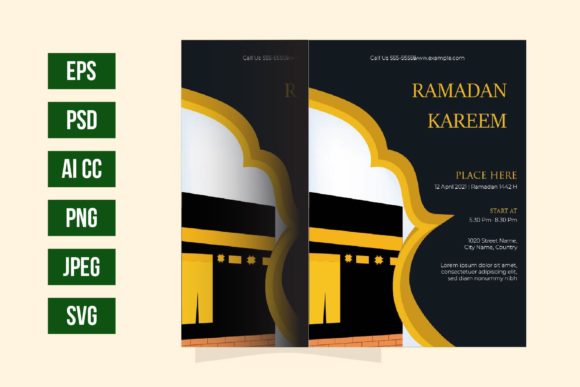
As a brand designer who spends most of my week refining identities for local bakeries, boutique skincare lines, and artisanal food producers, I approach seasonal assets with a critical eye. When I first opened the Ramadan Flyer Templates, specifically the collection featuring the 1442 H celebration bundles, my immediate impression was one of warm hospitality mixed with traditional elegance. This isn't just a set of clipart; it is a cohesive graphic design asset that speaks directly to the heart of community-focused commerce. The mood it creates is undeniably festive yet grounded, suggesting a brand personality that values heritage, quality, and the shared joy of breaking fast together.
For a local business owner, perhaps running a specialty date shop or a Middle Eastern coffee roastery, these visuals offer more than just decoration. They provide a narrative hook. The inclusion of sweet dates, the iconic Fanous lantern, and the steaming Arabic coffee mug instantly evokes the sensory experience of Ramadan. It feels premium but accessible, making it an ideal fit for handmade business owners who want to elevate their seasonal offerings without losing that personal, crafted touch. Whether you are launching a limited-edition gift box or promoting an Iftar event, this asset bridges the gap between modern marketing needs and traditional cultural aesthetics.
Elevating Brand Identity Through Strategic Application
In my recent work with a local confectionery brand preparing for the holy month, the versatility of these Print Templates became immediately apparent. We moved beyond simple flyers and integrated the vector illustrations into a comprehensive brand identity overhaul. The clean lines of the Fanous lantern worked beautifully as a subtle watermark on product labels, adding a layer of sophistication to the packaging without overwhelming the primary logo design.
The potential applications for small business branding are extensive. Imagine a boutique candle maker using the Arabic coffee mug illustration to create custom hang tags for their "Evening Serenity" collection. Or consider a florist designing thank-you cards that accompany bouquet deliveries during the holy month. These Graphics can be scaled down for stickers on handmade soap bars or expanded to serve as hero graphics on website banners. For social media managers, these elements are gold; they can be isolated to create engaging Instagram stories announcing Iftar specials or used as decorative borders for promotional ads. The key is consistency. By using these elements across menu graphics, price lists, and even printable inserts in shipping boxes, a business creates a unified visual language that customers begin to recognize and trust.
Building Trust and Visual Hierarchy in Packaging
One of the most significant challenges for creative entrepreneurs is establishing credibility on the shelf. A professional packaging design does more than hold a product; it tells a story and assures quality. Incorporating the Ramadan Flyer Templates into your seasonal campaign visuals can significantly strengthen that first impression. When a customer sees a well-designed label featuring high-quality vector illustrations of dates and lanterns, it signals attention to detail. This leads to better product recognition and a stronger emotional connection, as the buyer feels the brand respects the traditions associated with the season.
Furthermore, these assets help clarify visual hierarchy. In a crowded marketplace, having distinct, culturally relevant imagery helps your product stand out. For a food business, placing the lantern motif near the top of a box can guide the eye naturally toward the brand name, while the coffee mug illustration might anchor the bottom, framing the net weight or certification logos. This thoughtful arrangement results in more polished marketing visuals that look like they belong to an established enterprise rather than a startup experimenting with Canva. It improves shelf appeal and fosters customer trust, which is crucial for converting window shoppers into loyal patrons.
Ideal Use Cases for Maximum Impact
To get the most out of this digital product, it is essential to deploy it where it shines brightest. Based on my experience, here is where these illustrations deliver the highest return on investment:
- Product Labels and Packaging Accents: Use the vector dates and lanterns as focal points on gift boxes or jar lids to denote special Ramadan editions.
- Hero Graphics: Place the largest, most detailed illustration on the front of flyers or the header of a landing page to immediately set the seasonal tone.
- Decorative Brand Elements: Incorporate the motifs into patterns for tissue paper, shopping bags, or the background of business cards.
- Promotional Banners: Utilize the full composition for store-front windows or digital ads announcing Iftar parties or sales.
- Social Media Campaign Graphics: Isolate individual elements like the coffee mug to create a series of cohesive posts leading up to the holy month.
- Thank-You Cards: Add a personal touch to post-purchase communications, reinforcing the relationship with the customer.
Navigating Design Constraints with Care
While these design assets are incredibly versatile, they are not a one-size-fits-all solution for every context. As a designer, I advise caution when applying them to formal corporate branding that requires a strictly minimalist or secular tone. The decorative nature of the Fanous and coffee mug might compete with important text if the layout is too crowded. For very small labels, such as those on sample-sized cosmetics or intricate ingredient lists, the details might get lost or cause visual clutter.
Additionally, avoid using these graphics on low-contrast backgrounds where the intricate lines of the vector illustration might disappear. If you are working with a luxury minimalist brand that relies on vast white space and simple typography, these festive elements could feel out of place unless used extremely sparingly as a subtle accent. Always ensure that the decoration supports the message rather than distracting from legal information areas or critical call-to-action buttons.
Practical Notes for the Professional Designer
Before finalizing any client work or launching a commercial design project with these templates, there are several technical steps I always recommend. First, test the illustrations on real product mockup files to see how they interact with physical textures like kraft paper, glossy plastic, or matte cardboard. Check how the design performs in black and white, as some promotional materials may be printed in monochrome to save costs. Preview the graphics on small labels to ensure the vector lines remain crisp and do not pixelate.
It is also vital to test the assets with your specific brand colors. While the original SVG design or vector file offers flexibility, ensure the golds, greens, or blues harmonize with your existing palette. Compare your new packaging against competitor shelves to guarantee differentiation. When pairing these illustrations with typography, experiment with serif fonts for a classic feel, sans serif for modernity, or script fonts to enhance the handmade vibe. Finally, and most importantly, always review the commercial license terms. Confirm that you have the rights to use these Print Templates for physical product sales and client branding projects. By taking these precautions, you ensure that your professional branding efforts are not only beautiful but also legally sound and technically flawless.