Split Monogram Woodland Deer: A Designer's Review
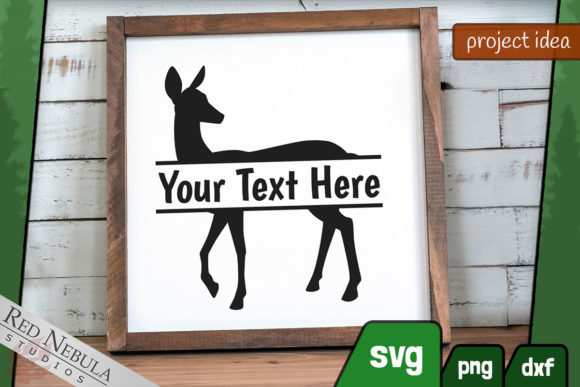
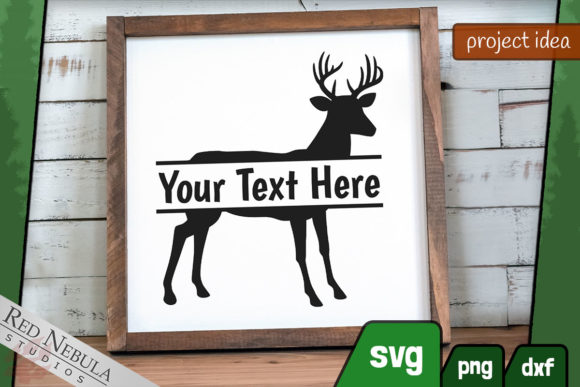
As a designer who spends more time staring at stitch maps than actual scenery, I am always on the lookout for graphics that bridge the gap between rugged outdoor aesthetics and refined personalization. When I first pulled up the Split Monogram Woodland Deer on my screen, my immediate reaction was one of appreciation for its clean lines and balanced composition. This isn't just another clipart image converted into an embroidery file; it feels like a thoughtfully constructed machine embroidery design intended for real-world application. The silhouette of the standing stag with antlers held high offers a strong visual anchor, while the split monogram layout provides that essential custom touch that clients crave.
First Impressions and Visual Personality
The mood this design creates is distinctly rustic yet elegant. It avoids the overly cartoonish look that plagues many wildlife-themed graphics, opting instead for a dignified profile that suits a wide demographic. From a technical standpoint, the separation between the deer silhouette and the text area is crucial. In many poorly digitized designs, text gets lost against complex backgrounds, but here, the negative space is utilized effectively. The "split" nature of the monogram suggests a modern approach to traditional monogramming, making it feel fresh rather than dated. For those of us selling design assets or finished goods, this visual personality translates immediately into perceived value. It looks expensive, which means you can charge appropriately for the finished product.
Real-World Application: The Custom Tote Scenario
To truly evaluate this graphic, I imagined a specific project: a custom order for a local hiking group needing branded gear. They wanted something that screamed "outdoors" without looking like a uniform. I envisioned stitching the Split Monogram Woodland Deer onto a heavy canvas tote bag design. In this scenario, the large surface area of the tote allows the antlers to shine without feeling cramped. The sturdy fabric supports the stitch density required for the deer's body, ensuring the silhouette remains crisp.
If I were producing this for a client, I would likely pair a deep forest green or charcoal thread for the deer against a natural beige or oatmeal fabric. The contrast here is key. Because the design relies on a silhouette, the edge definition must be perfect. A wobbly run stitch here would ruin the effect. Assuming the digitizing is sharp, this design would elevate a simple tote into a boutique-level item. It works equally well as a personalized gift for a hunter or a nature lover, proving its versatility across different customer bases.
Versatility Across Products
Beyond tote bags, this graphic holds significant potential for custom apparel. Imagine this centered on the chest of a heavyweight hoodie or a sweatshirt embroidery project. The vertical orientation of the standing stag fits perfectly within the typical chest placement zone. It is also an excellent candidate for an embroidered patch. If you are running a small shop product line, creating iron-on or sew-on patches with this design could be a low-overhead, high-margin addition to your inventory.
For the holiday season, this transitions seamlessly into holiday embroidery projects. Think of linen napkins for a cabin retreat or pillow covers for a lodge-style living room. The theme is evergreen—pun intended—making it a reliable seller year-round rather than a fleeting trend. For Etsy sellers and creative entrepreneurs, having a design that works for both baby embroidery (perhaps on a nursery blanket with softer pastel threads) and adult apparel expands your target market significantly.
Technical Considerations and Fabric Challenges
However, no design is without its challenges, and a professional review must address where caution is needed. The intricate nature of deer antlers can be tricky depending on the hoop size you select. If you attempt to stitch this at a very small scale, say under 3 inches, the fine details of the antler tines may merge together, especially on textured fabrics like towels or fleece. In those cases, the running stitch details might need to be simplified, or the size increased to maintain clarity.
Fabric texture plays a massive role here. On a smooth cotton or poly-blend, the fill stitch areas of the deer's body will lay flat and look solid. However, on a thick terrycloth towel or a nubby wool blend, you risk the fabric peeking through the stitches if the density isn't high enough. Conversely, if the density is too high on a stretchy fabric like a jersey t-shirt, you risk puckering. My advice is to always test the design on scrap fabric that matches your final material. Use a cut-away stabilizer for stretchy garments to prevent distortion over time, especially since this design has a solid mass that can pull on the fabric.
Dark fabrics present another consideration. Since this is a silhouette, stitching a dark deer on a black sweatshirt will render the design invisible unless you use a contrasting thread color or incorporate a satin stitch border to define the edges. Always view your printable mockup in black and white before committing to thread colors to ensure the shape reads clearly regardless of hue.
Business Value and Brand Consistency
For craft business owners, consistency is king. Using a high-quality graphic like the Split Monogram Woodland Deer helps build brand recognition. When customers see that level of detail and thoughtful composition, they associate that quality with your shop. It builds trust. A sloppy, pixelated, or poorly stitched design tells a customer you don't care about the details; a crisp, well-executed stag tells them you are a professional. This directly impacts buyer engagement and repeat sales.
Furthermore, because this falls under the category of Graphics within Crafts, it serves as a versatile digital asset. Whether you are selling the physical embroidered item or offering customization services, this design acts as a strong foundation. It allows for the insertion of any text, meaning every single item you produce can be unique while maintaining a cohesive brand look. This balance of uniformity and personalization is the holy grail for handmade shop owners.
Final Verdict and Designer Notes
In conclusion, the Split Monogram Woodland Deer is a robust choice for anyone looking to add a touch of the wild to their embroidery portfolio. It strikes a rare balance between masculine ruggedness and decorative flair. Before launching into production, remember these practical steps:
- Test First: Always stitch out on scrap fabric to check tension and registration.
- Check Licensing: Confirm whether the license allows for commercial use of the digital embroidery file if you plan to sell finished items.
- Thread Contrast: Ensure your thread colors provide enough contrast against the fabric background to highlight the silhouette.
- Stabilizer Selection: Match your stabilizer to the fabric weight; do not guess.
- Size Matters: Verify that the hoop size accommodates the full span of the antlers without cutting off details.
This design is not just a picture of a deer; it is a tool for creating meaningful, high-value products. Whether you are decorating caps, aprons, or kitchen towels, the Split Monogram Woodland Deer offers the reliability and aesthetic appeal needed to succeed in the competitive world of custom embroidery.