Sunflower Split Font Monogram: A Designer's Review
As a designer who spends more time at the hoop than away from it, I am always skeptical of "cute" fonts that promise charm but deliver stitching nightmares. When I first pulled up the Sunflower Split Font Monogram on my screen, my initial reaction was one of cautious optimism. The aesthetic is undeniably warm, evoking the kind of rustic, botanical vibe that dominates current trends in home decor and boutique apparel. However, visual appeal on a monitor does not always translate to a clean finished product on fabric. This review breaks down how this machine embroidery design holds up under the needle, specifically for those of us running small shops or creating high-end personalized gifts.
First Impressions and Visual Personality
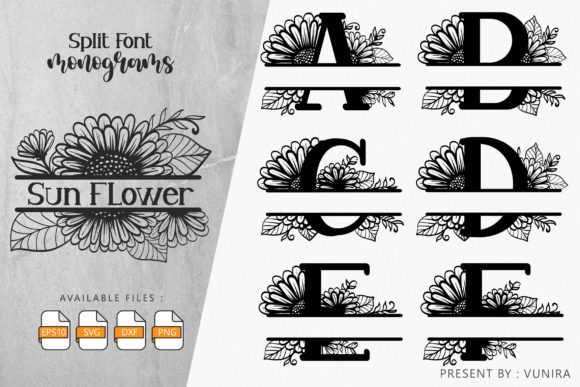
The immediate strength of the Sunflower Split Font Monogram lies in its layout. The concept of splitting the monogram with floral elements is popular, but execution varies wildly. In this Graphics asset, the balance between the letterforms and the sunflower motifs feels intentional rather than cluttered. The mood is cheerful yet sophisticated, making it a versatile candidate for everything from a nursery baby embroidery project to a branded tote bag design for a local farmers' market vendor.
What stands out most is the potential for texture. Sunflowers naturally lend themselves to a mix of satin stitch for the petals and potentially fill stitch for the centers, depending on how the file is constructed. For a designer, this variety is crucial. It prevents the "flat" look that plagues many digital fonts. The split nature of the font allows the flowers to act as natural anchors, which can help stabilize the overall composition on stretchy fabrics where a standard block font might distort.
Real-World Application: The Boutique Tote Test
To truly evaluate this embroidery file, I envisioned a specific real-life scenario: a custom order for a boutique selling organic cotton tote bags. These bags are notorious for being difficult to embroider due to the weave of the canvas and the lack of rigidity. Here is where the Sunflower Split Font Monogram shines if handled correctly.
Because the design incorporates floral elements that break up the solid mass of letters, it distributes tension across the hoop more evenly than a dense block monogram would. For a custom apparel piece like a sweatshirt, this split design allows the fabric to breathe slightly between the stitch zones, reducing puckering. If I were stitching this onto a dark navy tote, the contrast of bright yellow and green threads against the background would create a striking visual pop, instantly elevating the perceived value of the handmade product.
For an Etsy seller, this design offers excellent versatility. It works beautifully as a central chest logo on a tee, a pocket accent on an apron, or even scaled down for a holiday embroidery ornament. The organic shapes of the sunflowers soften the geometry of the letters, making it approachable for customers looking for something less corporate and more artisanal.
Technical Considerations and Fabric Challenges
While the aesthetic is strong, practical application requires a critical eye toward technical limitations. The description notes that the file includes clipped letters and combined versions in black and white. This suggests flexibility, but it also demands attention to detail regarding stitch density. When working with small hoop sizes or curved surfaces like caps, the density of the sunflower centers could become problematic if not optimized. Too much thread buildup in a small area can lead to bird nesting or needle breakage.
I strongly advise testing this design on scrap fabric that matches your final material. If you are attempting this on thin fabric or highly textured materials like waffle weave, the finer details of the split font might get lost or cause the fabric to pucker. In these cases, using a heavier cut-away stabilizer is non-negotiable. For stretchy knits, a water-soluble topper can help prevent the stitches from sinking into the pile, ensuring the crisp lines of the monogram remain visible.
Another consideration is the thread colors. Sunflowers typically require a gradient of yellows and browns. While beautiful, this increases the number of thread changes. For a craft business producing items in bulk, this impacts production time. You must weigh the visual benefit of multi-colored petals against the efficiency of a simplified two-tone version, which the black and white file option might facilitate.
Navigating Licensing and Commercial Use
The product description mentions a ZIP file containing four folders, which implies a comprehensive package. However, before listing this as a digital embroidery file or using it for commercial embroidery projects, you must verify the licensing terms. Some designers allow unlimited physical sales but restrict the resale of the digitized file itself. Since the provided details do not explicitly state the license type, it is vital to check the documentation included in those folders. Protecting your small shop product line starts with respecting intellectual property rights.
Enhancing Brand Value and Customer Trust
In the world of handmade goods, presentation is everything. A well-executed monogram signals professionalism. The Sunflower Split Font Monogram, when stitched with precision, conveys a sense of care and attention to detail that customers associate with quality. It transforms a generic item into a personalized gift with emotional resonance.
For those creating printable mockups or digital previews for their online stores, this design offers strong visual hooks. The recognizable shape of the sunflower makes it instantly identifiable even in thumbnail images, improving click-through rates on platforms like Etsy. Consistency in using such distinct design assets helps build brand recognition, allowing customers to spot your work from a distance at a craft fair.
Final Verdict for the Working Designer
The Sunflower Split Font Monogram is a robust addition to a designer's library, provided it is treated with the technical respect it requires. It is not a "load and go" file for every situation; it demands thoughtful selection of fabric, stabilizer, and thread. However, for projects ranging from wedding gifts to embroidered patch collections, it delivers a charming, professional result that resonates with modern tastes.
My recommendation is to start with a medium-weight woven fabric to gauge the stitch performance. Pay close attention to the transition points where the flowers meet the letters, as these are the areas most prone to registration errors. If you can master the tension and density, this design will become a staple in your repertoire, capable of turning simple textiles into cherished keepsakes. Always remember to review the specific folder contents for format compatibility with your machine, as the utility of any embroidery project depends entirely on the seamless integration of file and hardware.